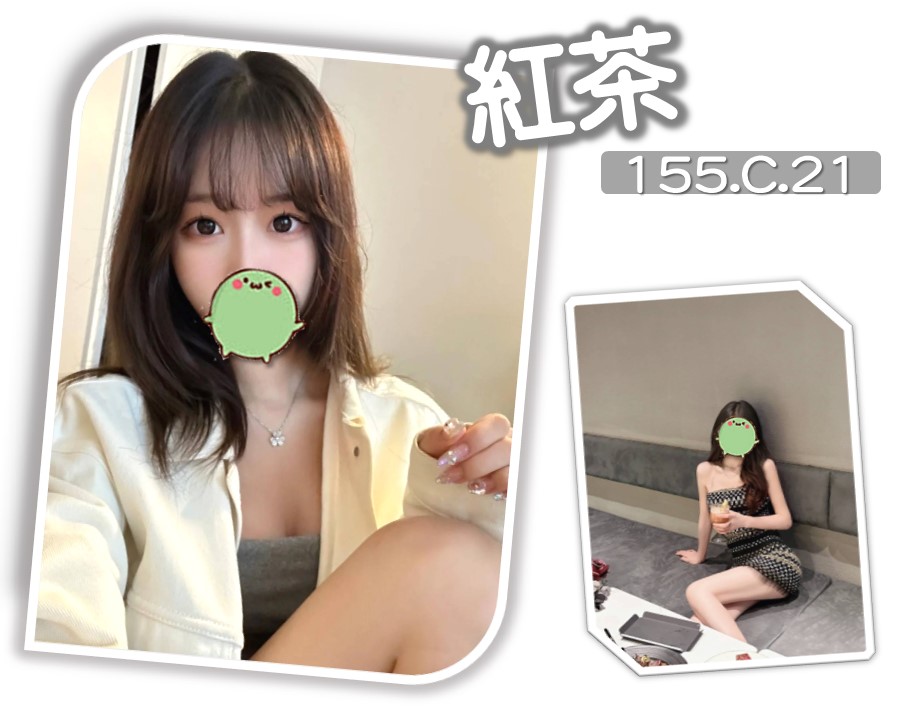
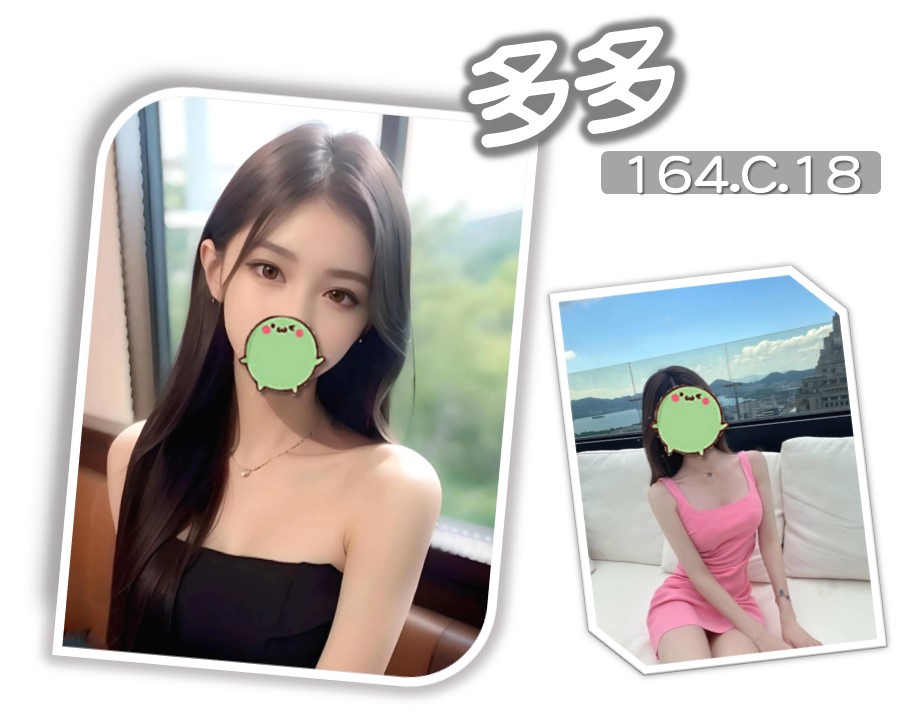
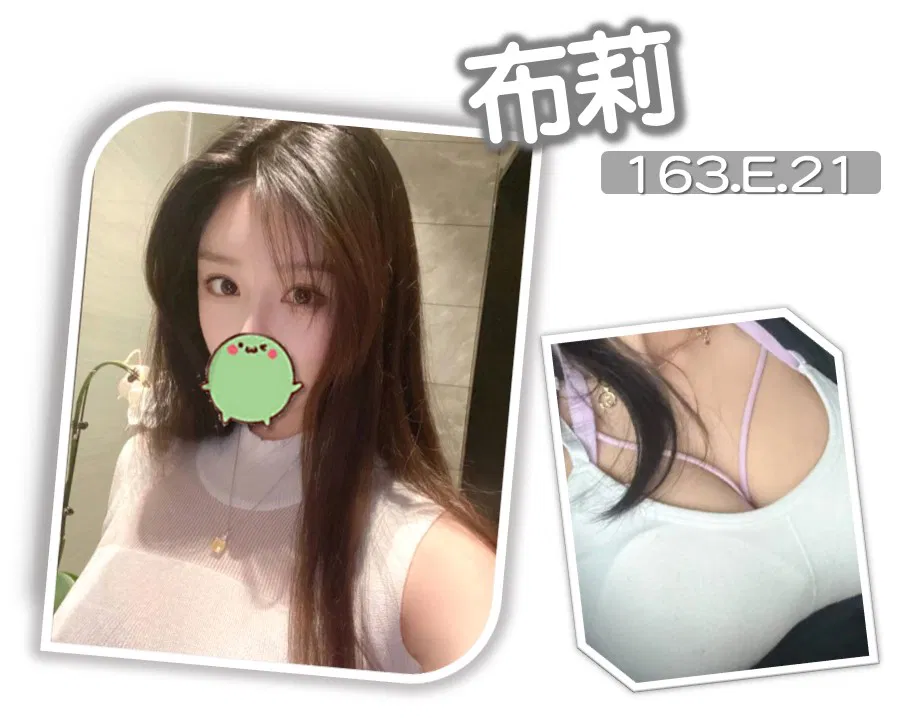
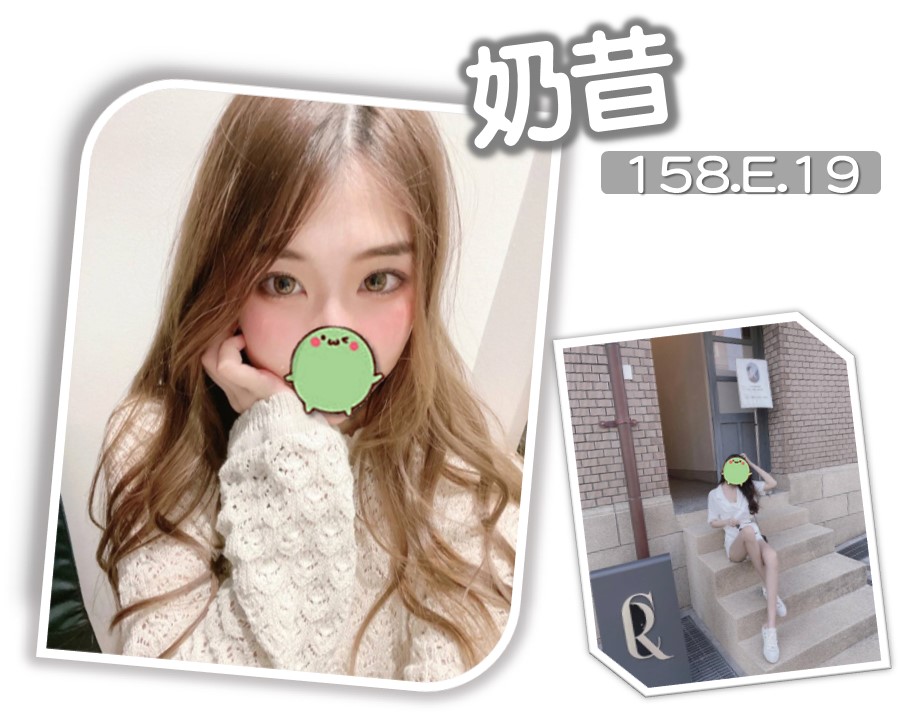
台北外送茶 老司機私房激推!紅蘋果頂級外約茶專區
大台北夜生活必看指南!今晚想找回久違的心跳加速與極致溫柔嗎?紅蘋果 台北外送茶 精心挑選大台北最優質的兼職名單,無論是渴望下班後的私密放鬆,還是週末夜的激情邂逅,我們最懂老司機要的感覺。專車直達、隱私有保障,為您送上最專業的台北叫小姐頂級體驗,懂玩的你快跟上!
🔥 台北外送茶 精選:老司機必點 3 位火辣兼職 🔥



天生尤物般的火辣身材與極致性感的S曲線,真材實料的傲人美胸保證讓您驚艷。個性熱情奔放,舉手投足散發極致誘惑,體驗一場最深度的台北舒壓盛宴,讓人忍不住燃起原始衝動。
完美火辣身材搭配讓人瘋狂的飽滿美胸,肌膚柔嫩細緻如絲綢般好摸。活潑開朗的性格伴隨超高配合度,給您最親切入微的溫柔女友感,這款台北叫小姐名單是熟客回頭率最高的極品。
🔍 點擊下方秘密傳送門,探索更多風格正妹
💬 點擊下圖直接聯絡紅蘋果 台北外送茶
台北外送茶 專人迅速回覆,一鍵解鎖老司機專屬的私密極致車程!

Taipei Editorial Archive: Making Three Featured Stories Easier to Explore
A citywide entertainment page can feel like a curated magazine even when most of its content consists of advertisements. The supplied Red Apple Taipei layout presents three photographs, three short promotional themes, a related reading panel, and several contact graphics. Each photograph connects to a numbered article in the same editorial archive. That structure suggests a different question from the usual discussion of neighborhoods or personalities: how can a small collection of stories become a genuinely useful reading experience rather than a cycle of repeated links?
Three Archive Numbers, Three Editorial Opportunities
The featured images lead to articles numbered 1453, 1784, and 1450. These numbers identify separate web addresses, but they say nothing by themselves about publication dates, source quality, or whether an article remains current. A thoughtful archive could accompany each feature with its actual headline, publication date, and a brief neutral summary. Readers would then understand why the items were chosen together and which one best matches their interest. A numerical address is a locator, not a credibility certificate.
A Curated Collection Needs Selection Criteria
The page describes its three features as especially popular, yet does not provide an explanation of how popularity was measured. Were the stories selected because they are recent, frequently viewed, or simply highlighted by the publisher? Those criteria produce different collections. An editorial note could say whether the section contains sponsored selections, archived favorites, or independently reported features. This small addition would make the word curated meaningful without requiring exaggerated language about universal customer preference.
What the Three Visual Themes Actually Offer
The cards introduce contrasting styles: a soft romantic presentation, a dramatic fashion focused look, and a playful nostalgic theme. Such labels can help organize a magazine page, but they remain creative descriptions rather than verified personality profiles. The images do not establish the subjects’ identities, ages, present circumstances, or agreement to future interactions. Editors should confirm that identifiable photographs are used with permission and maintain a straightforward way to correct captions or remove unauthorized images.
Why Every Card Repeats a Contact Image
Between the photograph and its description, each card displays the same telephone themed graphic. The introduction and closing banner also direct visitors toward a messaging channel. Multiple invitations may increase promotional emphasis, but they interrupt the reader’s ability to compare the stories. A simpler format would place a short description directly beneath each portrait, followed by one clearly marked contact area after the entire collection. Readers who are browsing editorial content should not have to navigate around the same graphic repeatedly.
Related Reading or a Second Copy of the Gallery?
The section presented as a secret gateway contains links to exactly the same three archive addresses already attached to the photographs. This is not a fresh collection of recommendations; it is another route to the existing material. There is nothing inherently wrong with offering alternate navigation, especially for accessibility. However, the section should acknowledge its purpose. A label such as Explore the Three Featured Articles would be more accurate than suggesting visitors will discover a different selection.
Understanding a Claim of Round the Clock Replies
The closing area advertises rapid responses at every hour. It does not state whether human staff are continuously present or whether messages simply remain open overnight. Those possibilities are different. A useful contact notice would specify staffed hours, expected response conditions, and whether automated replies are involved. It should also identify the organization receiving messages. A familiar contact platform does not independently demonstrate the truth of an operator’s availability or privacy promises.
Small Technical Details Affect Trust
The repeated contact images use an HTTP address, while other parts of the page use secure HTTPS links. Depending on how the site and image server are configured, a browser may upgrade or block insecure resources. Publishers should test a working HTTPS version instead of assuming the graphic always loads. Image descriptions should identify what a link opens, and vertical photographs should be sized for phones without shrinking them to unreadable thumbnails. Reliable presentation matters more than decorative excess.
Protecting People and Readers
Adult themed editorial content still involves ordinary responsibilities toward real people. Everyone depicted in adult contexts must be an adult, and any personal interaction requires freely given, ongoing consent and compliance with applicable laws. A marketing caption cannot promise another person’s conduct. Visitors should avoid circulating identifiable images or private conversations without permission. They should also refrain from sharing passwords, banking verification codes, identification documents, or intimate photographs with unfamiliar messaging accounts.
An Archive Readers Can Actually Navigate
A stronger Taipei page could feature three concise article summaries, accurate headlines, editorial dates, and one clearly explained set of links. If the stories are sponsored, that relationship should be visible. If they are old, their status should be clear. A single contact section, accessible pictures, and a policy for corrections would reduce clutter while preserving the site’s magazine style. The goal is not simply to send visitors through more pages, but to help them understand what each article contains and why it deserves their attention.